Product Description
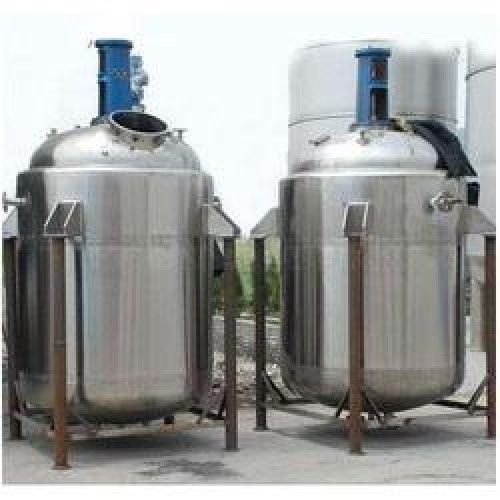
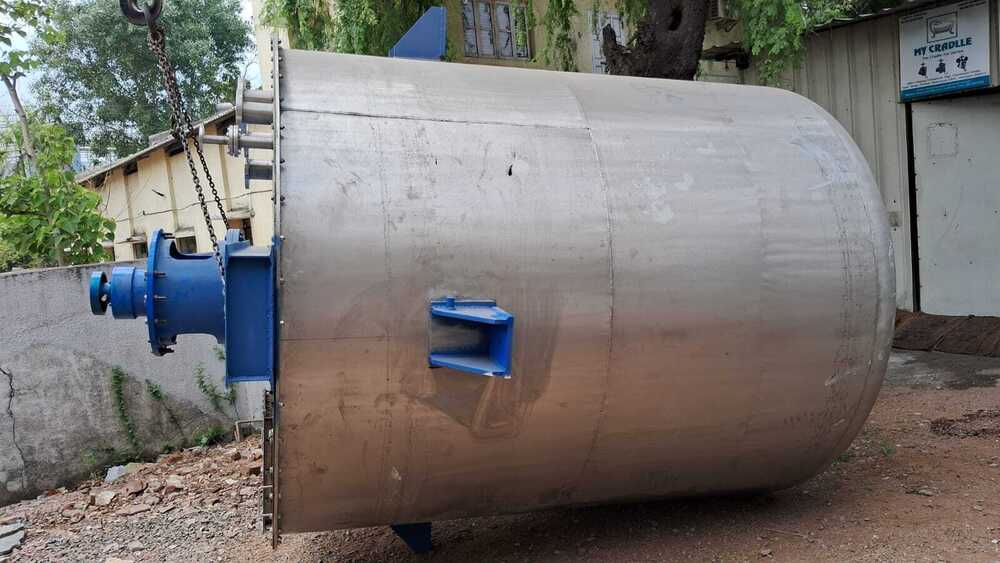
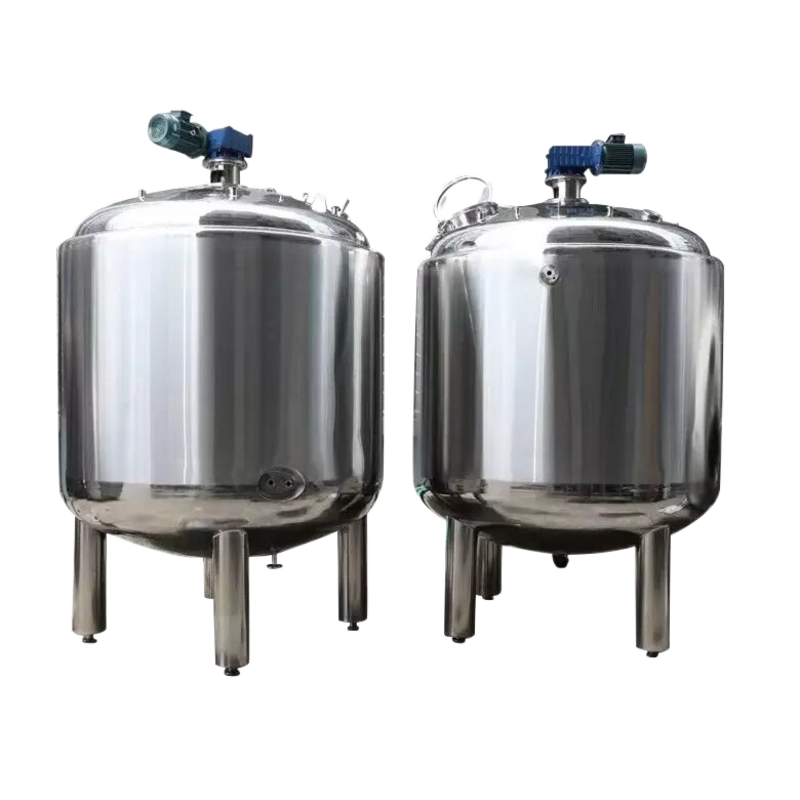
A jacketed vessel is a specialized container, commonly made of stainless steel or mild steel, designed with an outer shell (jacket) to create an annular space for circulating heating or cooling media (steam, water, oil) to precisely regulate the temperature of the internal contents. They are essential for industrial processing, mixing, and reactions, featuring types like conventional, dimple, or half-pipe jackets.
Versatile & Robust DesignEach jacketed vessel is meticulously built for flexibility in industrial applications, whether you require Stainless Steel 304/316 or mild steel construction. Available in vertical cylindrical configurations with dish ends and customizable mounting options, these vessels suit a wide range of processes and operating conditions. The various jacket types and agitator options are selected based on your precise process needs, offering dependable performance and easy integration into existing systems.
Outstanding Thermal and Process EfficiencyWith insulation choices like mineral wool or glass wool and stainless steel cladding, our vessels maximize thermal efficiency while minimizing energy loss. The mirror or matt surface finish, along with optimal nozzle configuration, ensures quick cleaning and maintenance. Hydrostatic and pneumatic testing guarantees operational safety, making these vessels ideal for rigorous production environments.
FAQ's of Jacketed Vessel:
Q: How do I choose between Stainless Steel 304, Stainless Steel 316, or mild steel for my jacketed vessel?
A: The choice of material depends on your application's specific requirements like corrosion resistance, product compatibility, and budget. Stainless Steel 316 is suitable for highly corrosive environments, while 304 is a cost-effective option for less demanding situations. Mild steel can be considered if corrosion is minimal and the process medium allows. Our team can help you select the optimal material for your process.
Q: What are the advantages of using a jacketed vessel with dimpled, limpet, or conventional jackets?
A: Each jacket type serves a unique purpose. Dimpled jackets offer efficient heat transfer with reduced weight. Limpet coils are suited for processes requiring rapid heating or cooling with high-pressure circulation. Conventional jackets provide uniform heating/cooling but with different thermal dynamics. Selection depends on your process chemistry, desired heat transfer rate, and pressure requirements.
Q: When should insulation and SS cladding be included with my jacketed vessel?
A: Insulation with mineral or glass wool and SS cladding is recommended when precise temperature control and thermal efficiency are critical. This setup reduces heat loss, increases energy efficiency, and provides a hygienic outer surface. It's particularly important in applications where temperature retention or protection of personnel from hot surfaces is vital.
Q: Where can these jacketed vessels be installed and what are the mounting options?
A: Our jacketed vessels are suitable for installation in various industrial settings, including chemical, pharmaceutical, food processing, and more. Depending on space and process needs, vessels can be leg-mounted, skirt-mounted, or bracket-mounted. The mounting style can be customized to suit your facility and comply with safety requirements.
Q: What kind of agitators can be supplied and how is the appropriate type determined?
A: Agitators-such as anchor, paddle, or turbine types-are supplied based on mixing, blending, or agitation needs. The selection depends on the viscosity and rheological properties of your process fluid. We assess your process parameters to recommend and integrate the most effective agitator for optimal mixing performance.
Q: How are your vessels tested for safety and compliance?
A: All our jacketed vessels undergo stringent hydrostatic and pneumatic tests to verify pressure integrity and leak-proof performance. They are designed and manufactured in compliance with international standards like ASME, IS, or DIN, ensuring long-term safety and reliability for industrial operations.
Q: What benefits does a jacketed vessel offer for my process?
A: Jacketed vessels offer precise temperature control, improved thermal efficiency, and adaptability to a wide range of operating conditions. With robust construction, easy maintenance, and customizable features (including automation options), they significantly enhance production quality, safety, and operational efficiency.
 Gujarat, India





 Send E-mail

 Send Inquiry
 Send Inquiry
 Send SMS


