Product Description
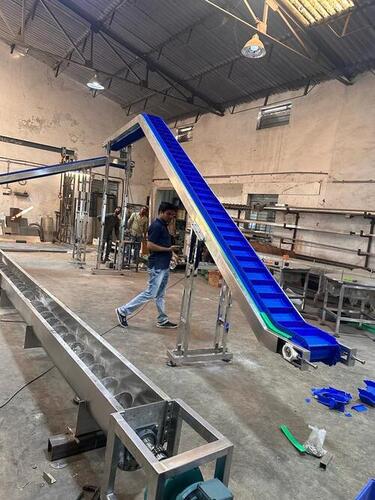
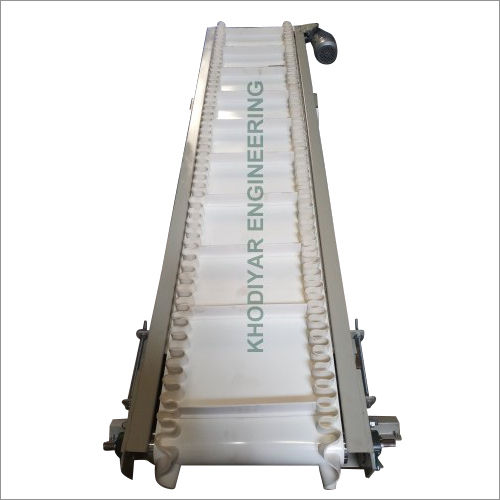
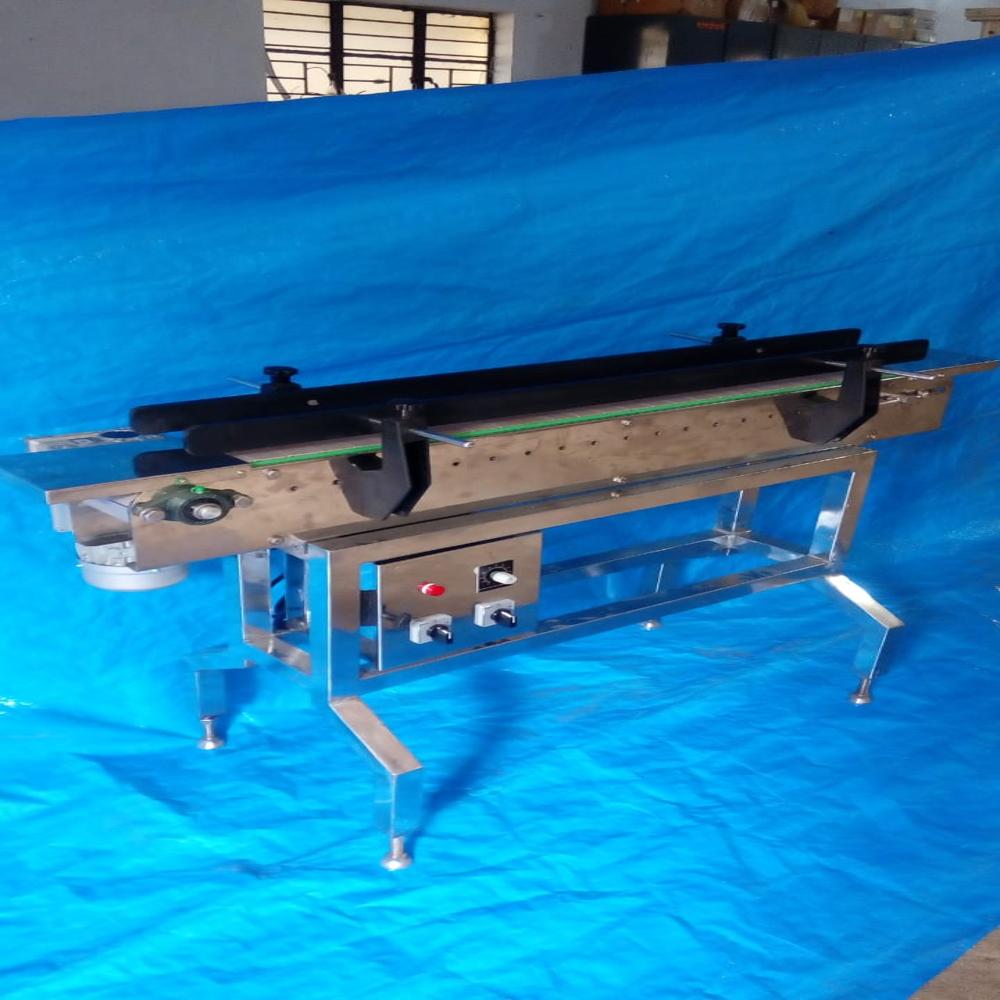
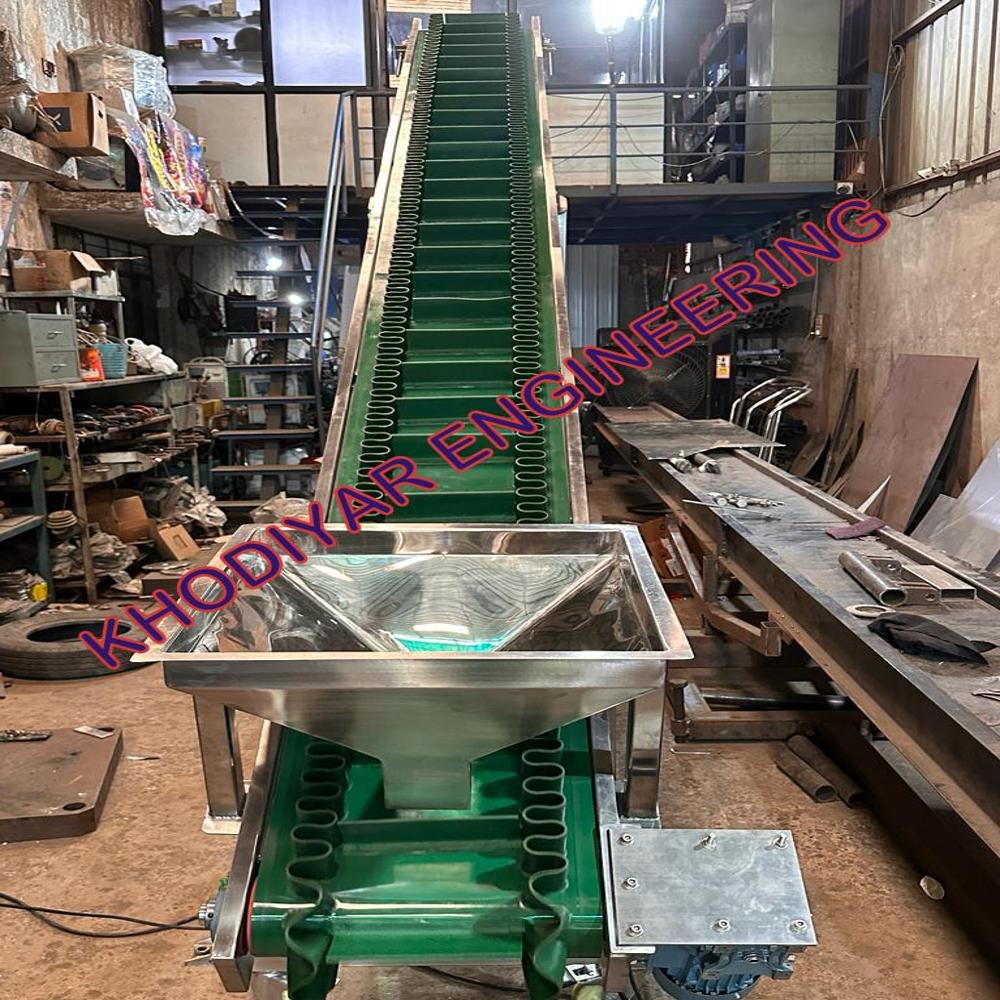
Feet Foldable Climbing Belt Conveyor
Belt Conveyor is a material handling system designed to move supplies, materials, and components using an efficient and effortless process that saves time, energy, and cost. There is an endless number of types and uses for conveyor belts.
How it works - A loop of flexible material is stretched between rollers. - The rollers are moved by an electric motor. - The belt moves the material in a straight line or through changes in elevation or direction.
Where it's used - Belt conveyors are used in manufacturing, food processing, and pharmaceuticals. - They can be used to move products on a car manufacturing line, a production line for electrical goods, or a food production line for baked food.
Purpose Conveyor belts can transport products either in a straight direction or through directional changes and elevation. The purpose of the belt is to provide controlled movement of the product. Belts are designed in different sizes; systems used to run the belts operate in different speed ranges.
Applications Applications include manufacturing tools, saw mills, textile machinery, food-processing machines, multiple spindle drives, pumps and compressors.
Versatile Conveyor SolutionsChoose from flat belt conveyors, gravity roller conveyors, and advanced reciprocating vertical conveyors-all engineered for various materials handling needs. Whether you require incline or vertical movement, our systems are designed for superior adaptability and dependability.
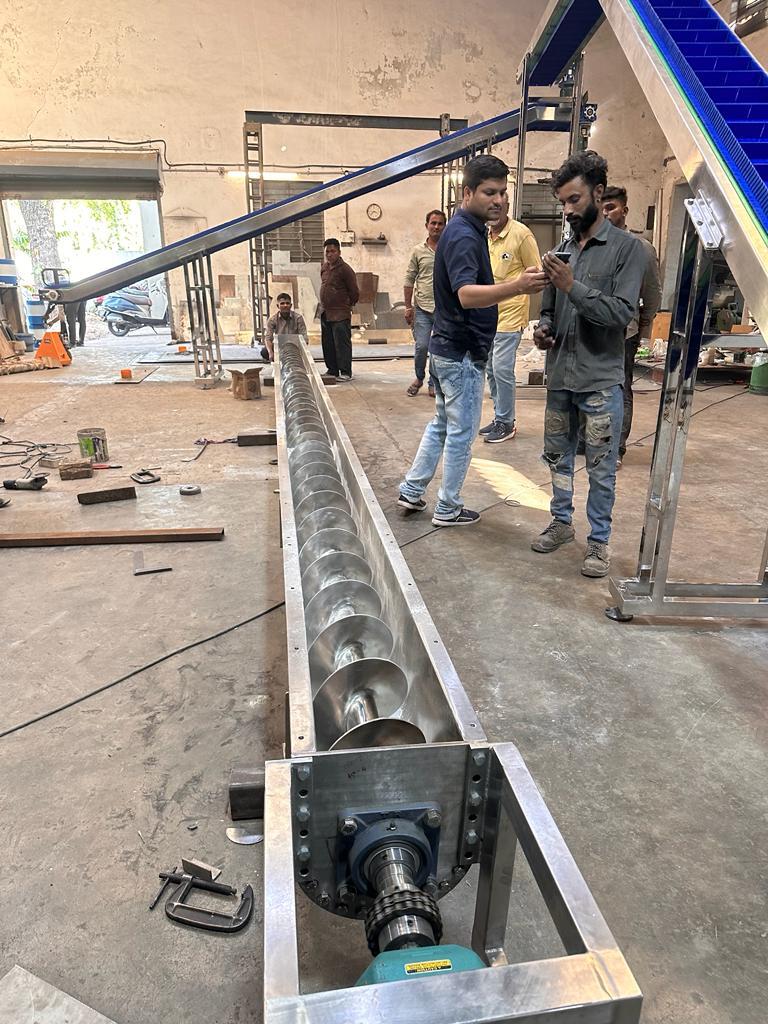
Custom-Built for PerformanceEvery conveyor system is meticulously tailored to your specifications, ensuring seamless integration with your operational workflow. With automatic features and stainless steel construction, these conveyors provide long-lasting, efficient, and low-maintenance performance.
FAQ's of Conveyor Belt System:
Q: How does the automatic conveyor belt system enhance productivity?
A: The automatic conveyor belt system streamlines material handling by minimizing manual intervention, reducing processing time, and maintaining consistent workflow. Its automated features enable continuous operation, which significantly boosts productivity in manufacturing and logistics environments.
Q: What types of conveyors are included in your system?
A: Our system encompasses flat belt conveyors, gravity roller conveyors, and reciprocating vertical conveyors. These options address various transport needs such as horizontal, inclined, and vertical movement of goods, supporting flexibility in layout and application.
Q: When should a reciprocating vertical conveyor be considered?
A: A reciprocating vertical conveyor is ideal when materials need to be transferred between different elevations or floors efficiently. It is particularly beneficial in warehouses, manufacturing plants, and distribution centers where vertical movement is frequent and safety is paramount.
Q: Where are your conveyor belt systems manufactured and supplied?
A: Our conveyor belt systems are engineered and manufactured in India. We supply these systems across the country, offering local support and expertise to ensure optimal installation and operation for diverse industries.
Q: What is the process for customizing conveyor size and structure?
A: Customization begins with a consultation to understand your operational needs, followed by design and engineering tailored to your specific size, structure, and functionality requirements. Only high-grade stainless steel is utilized to guarantee durability and quality.
Q: How is a gravity roller conveyor typically used?
A: A gravity roller conveyor is often employed for the efficient movement of unit loads, where gravity provides the necessary impetus for transportation. It is widely used in assembly lines, packaging units, and distribution areas to facilitate easy and cost-effective material movement.
Q: What are the primary benefits of using stainless steel conveyors?
A: Stainless steel conveyors offer exceptional resistance to corrosion, longer operational life, and improved hygiene. These features make them particularly advantageous for applications in food processing, pharmaceuticals, and any environment demanding stringent quality standards.
 Gujarat, India





 Send E-mail

 Send Inquiry
 Send Inquiry
 Send SMS


